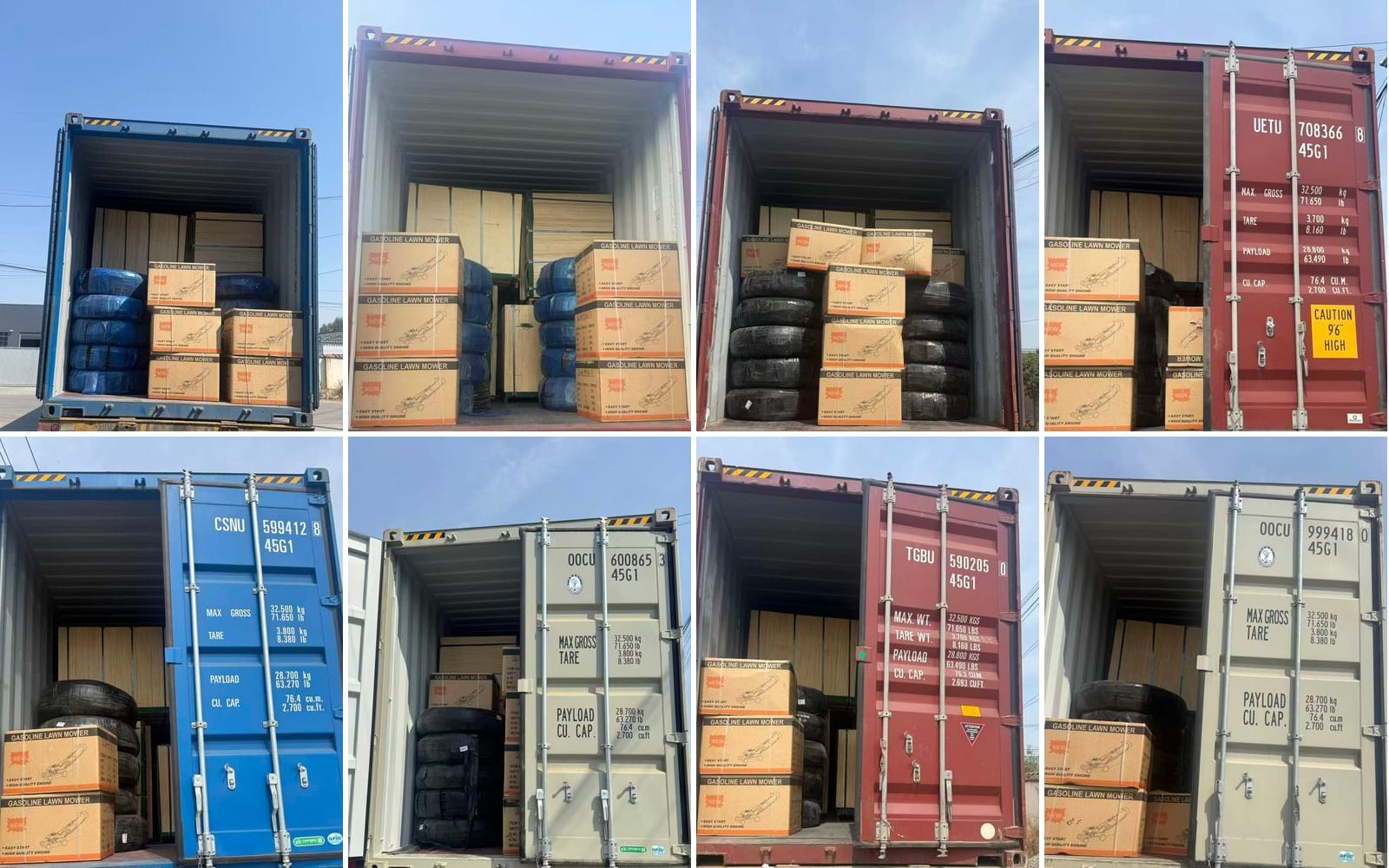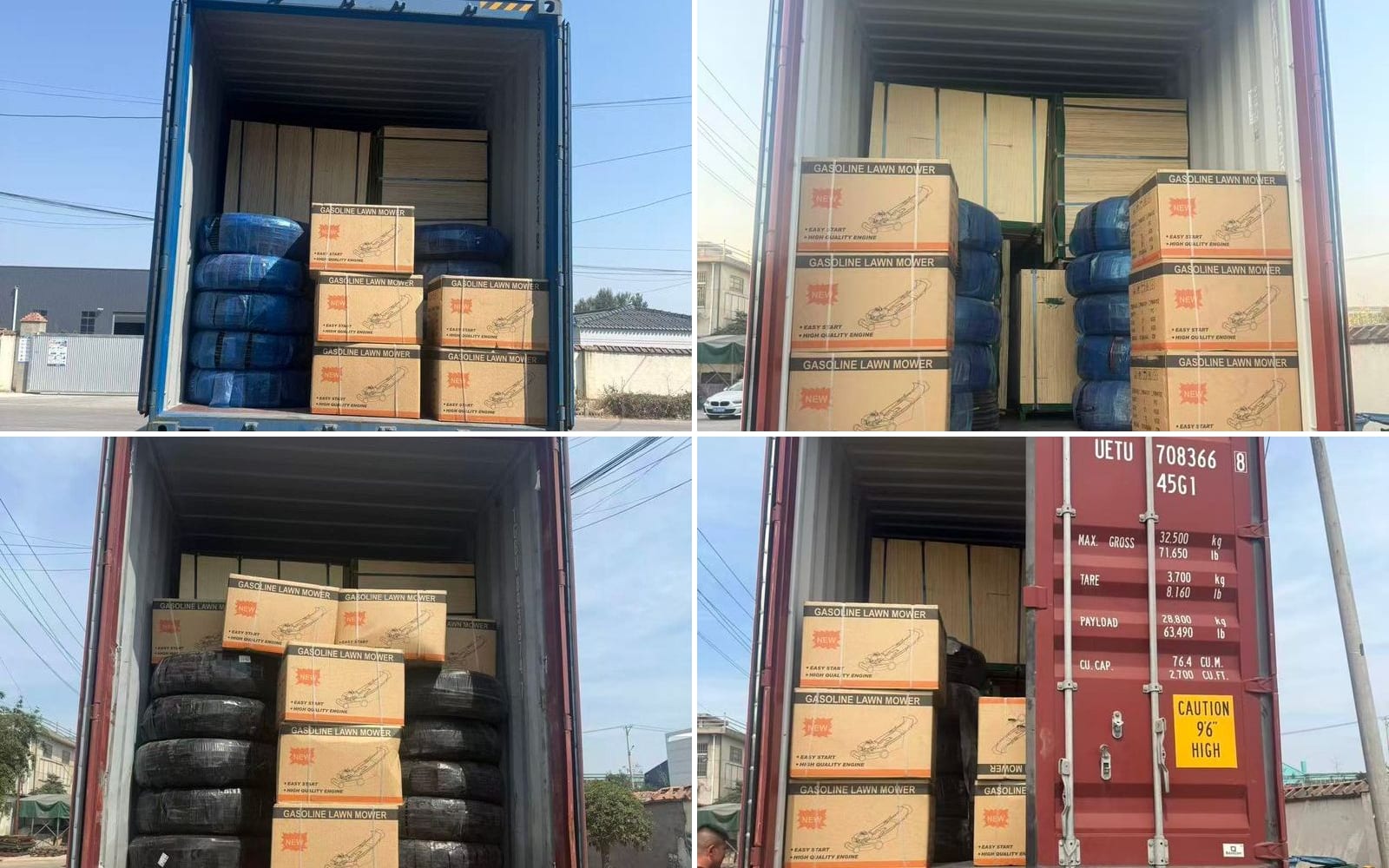

· 4 min read · By the Tiger Makine team
A container is the one piece of packaging every shipment shares, so it gets the first inspection. Before a single crate is lifted, we look inside the empty container and decide whether it is fit to carry our customers' equipment.
Why an empty container deserves attention
Equipment can be on the move for weeks. Damp, a small hole, a leaking roof or the residue of an earlier cargo can all cause damage that nobody sees until the doors open at the other end. A few minutes of checking at the start is the cheapest protection there is.
What we look at
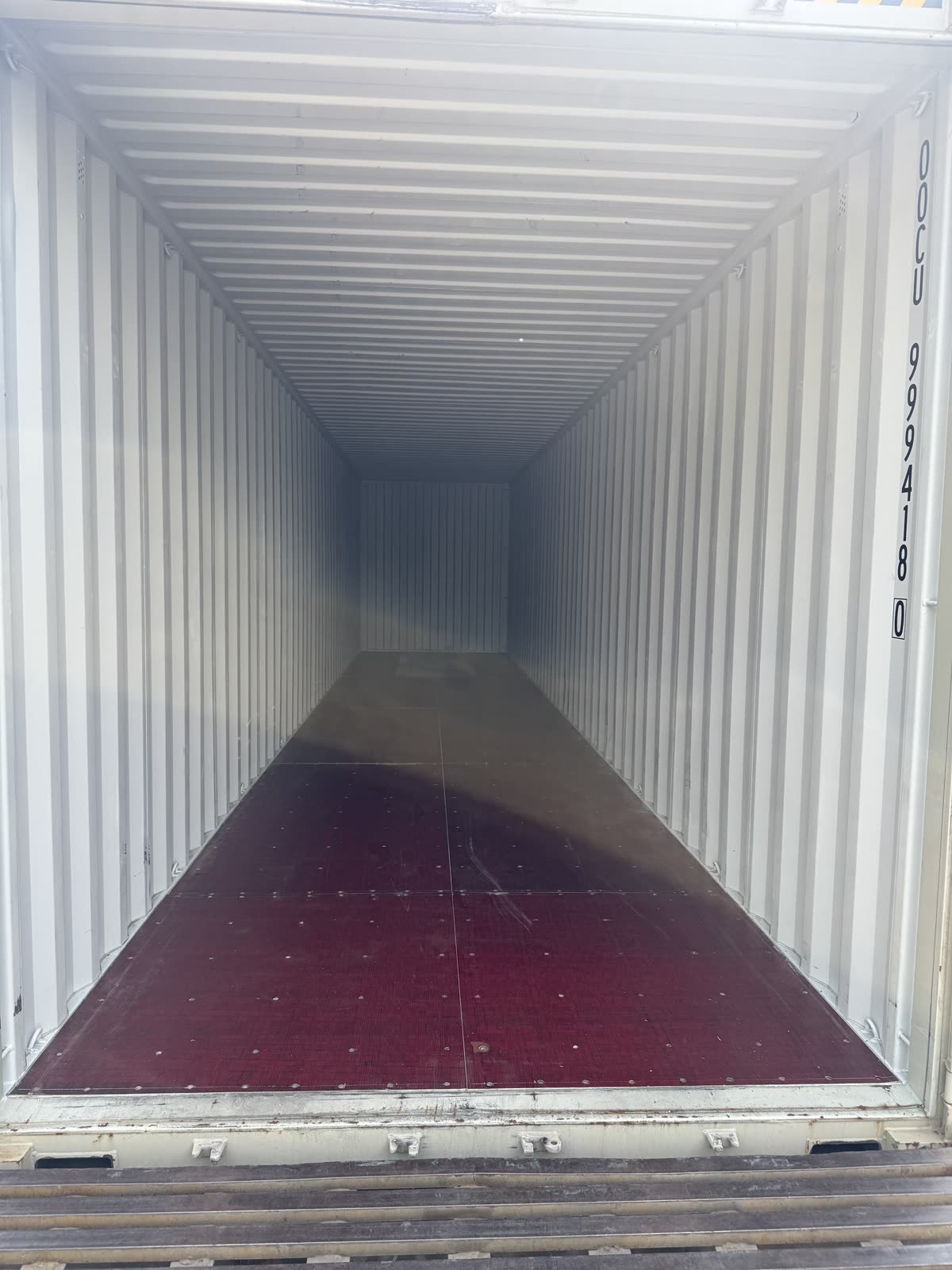
- The floor: flat, dry and free of oil, stains and loose splinters.
- The walls: no large dents, tears or patched holes.
- The roof and door seals: no daylight showing through and no sign of leaks.
- The smell: nothing damp, chemical or musty left by a previous cargo.
- The doors: they open, close and lock properly.
When a container does not pass
If something looks wrong, we ask for a replacement before loading starts. Swapping an empty container takes little time. Unloading a full one takes a great deal.
A photograph for the record
We photograph the empty interior of each container. It is a simple habit, but it gives us and our customers a clear before-and-after picture of the load.
A habit worth copying
You do not need a shipping department to adopt this routine. If you receive equipment by container, take a minute to look inside before unloading and photograph anything unusual, such as a stain on the floor or a dent in a wall. A short record made at the door is worth far more than a long explanation made weeks later.