
· 4 min read · By the Tiger Makine team
Sea freight moves far more than people expect. Containers are lifted, swung, stacked and rocked by waves for days at a time. Cargo that sits comfortably on the quayside can shift badly in transit if it was not loaded with care.
Start at the back wall
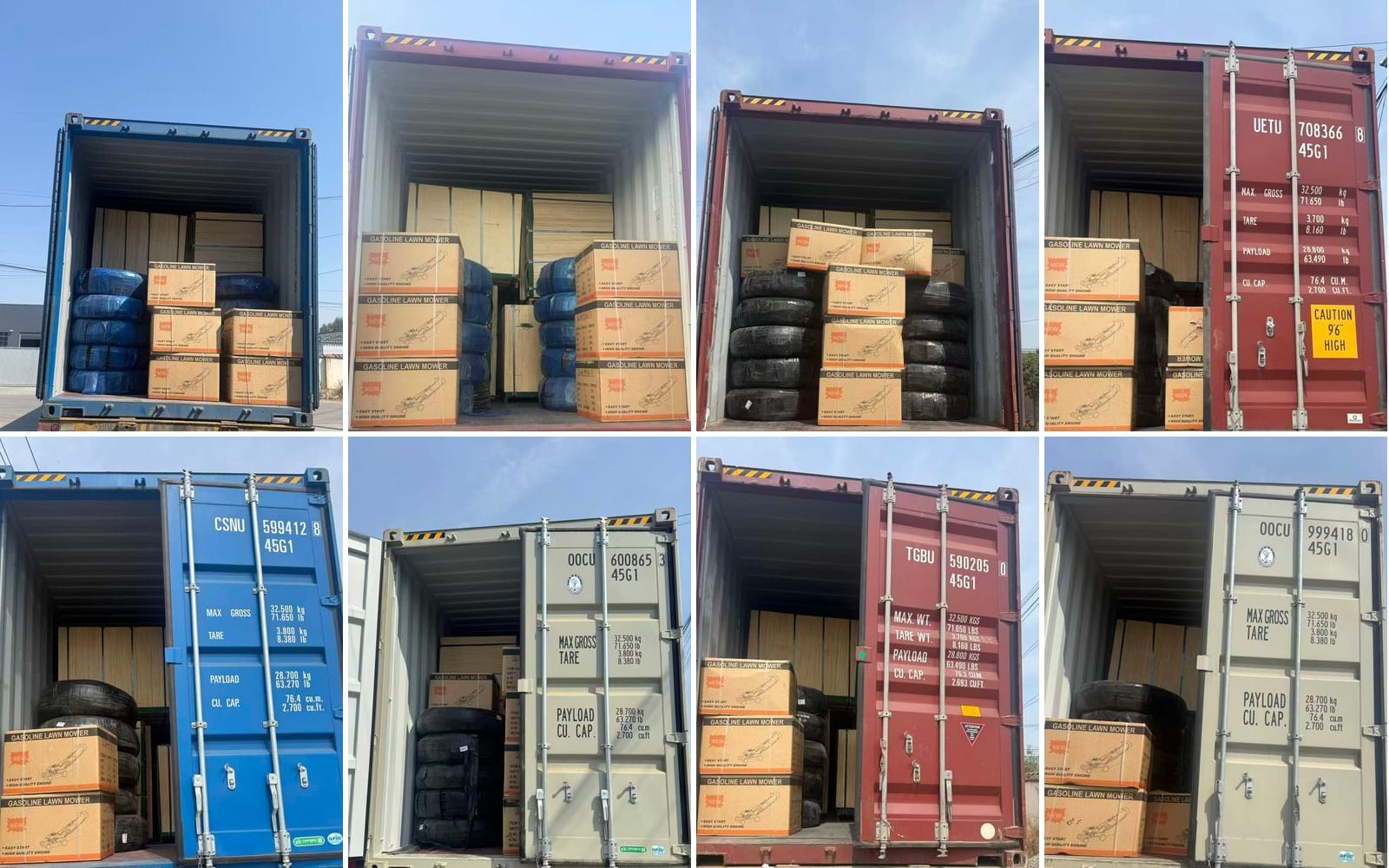
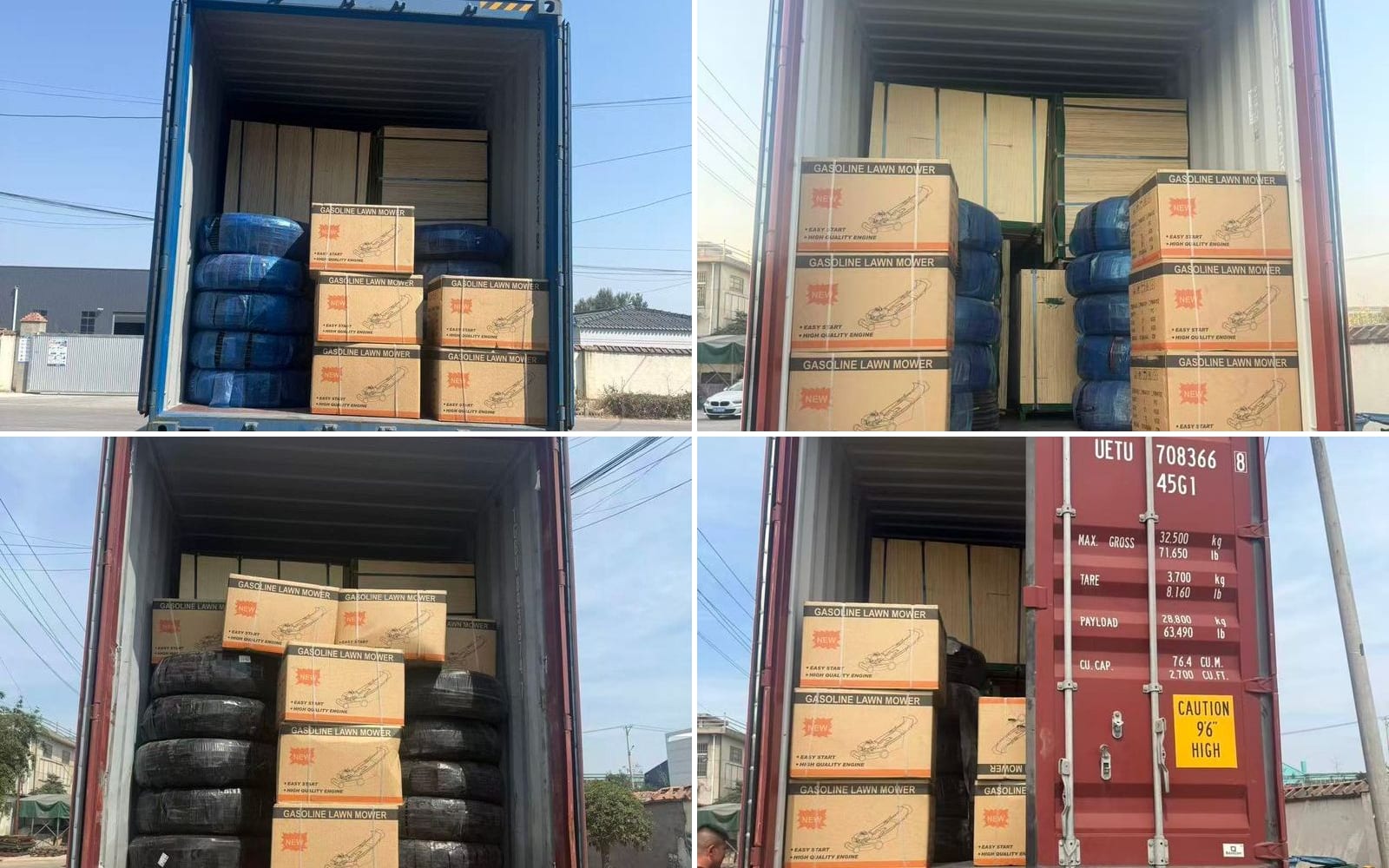
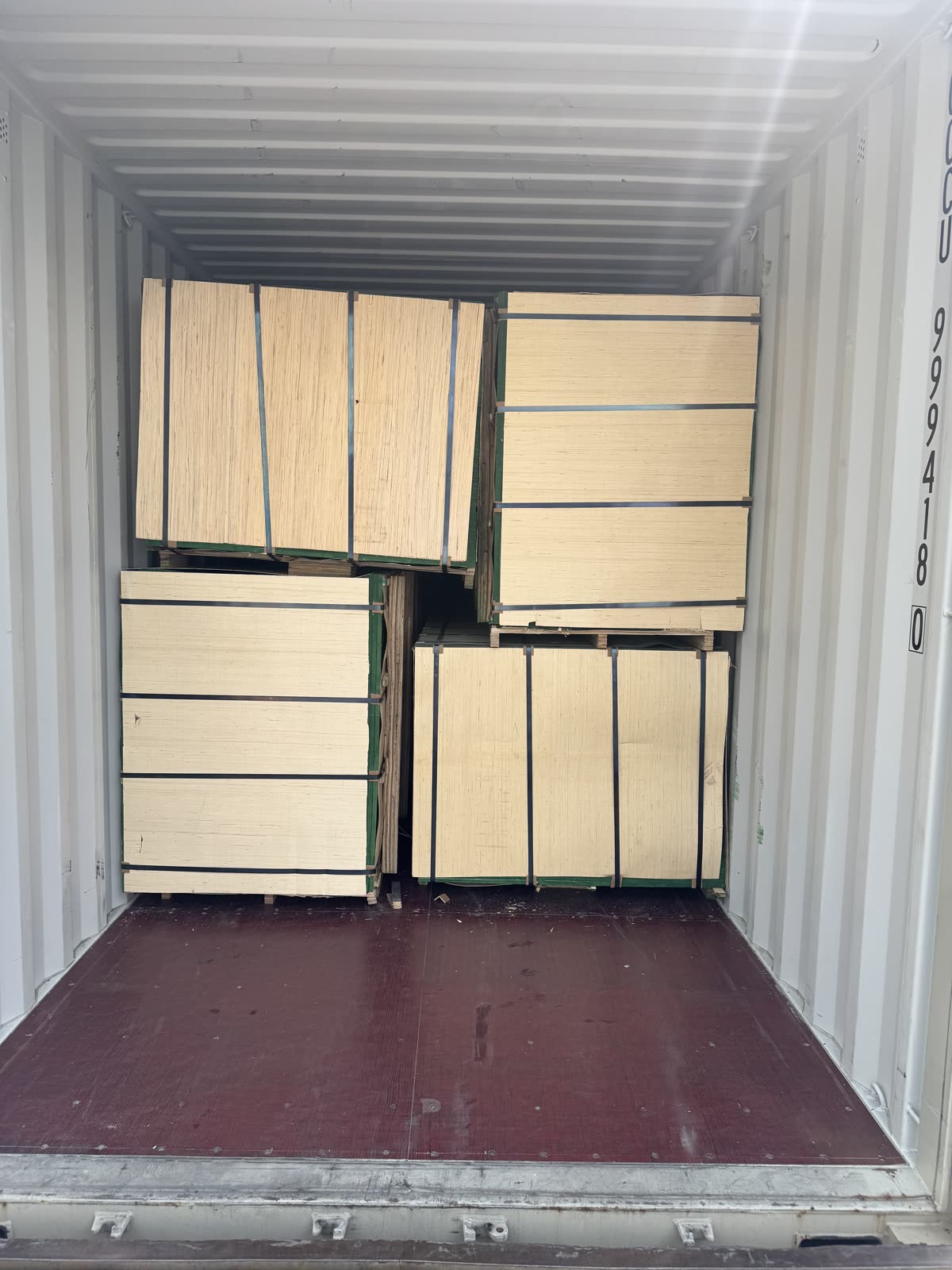
We build every load from the back wall forward and from the floor upward. The first crates go against the far wall, set square and close together, so that the whole load supports itself.
Keep the weight low and spread out
Heavy crates go on the floor and lighter cartons go on top. We also spread the weight along the length of the container rather than piling it at one end, which keeps the container balanced when it is lifted.
Leave no gaps
- Crates are placed tight against each other and against the walls.
- Any remaining gaps are filled with protective packing material.
- The doors are closed only after we have checked that nothing can lean against them.
Why it matters
A load that cannot move cannot be damaged by moving. Careful stowing is one of the least visible parts of our work, and one of the most important.
What you can check on arrival
When a container is opened at its destination, a well-stowed load looks tidy and tight. Crates should still be square to the walls, the gaps should still be filled, and nothing should have slid towards the doors. If you notice anything different, photograph it before moving the cargo and send it to us, because it helps everyone understand what happened at sea.