
· 4 min read · By the Tiger Makine team
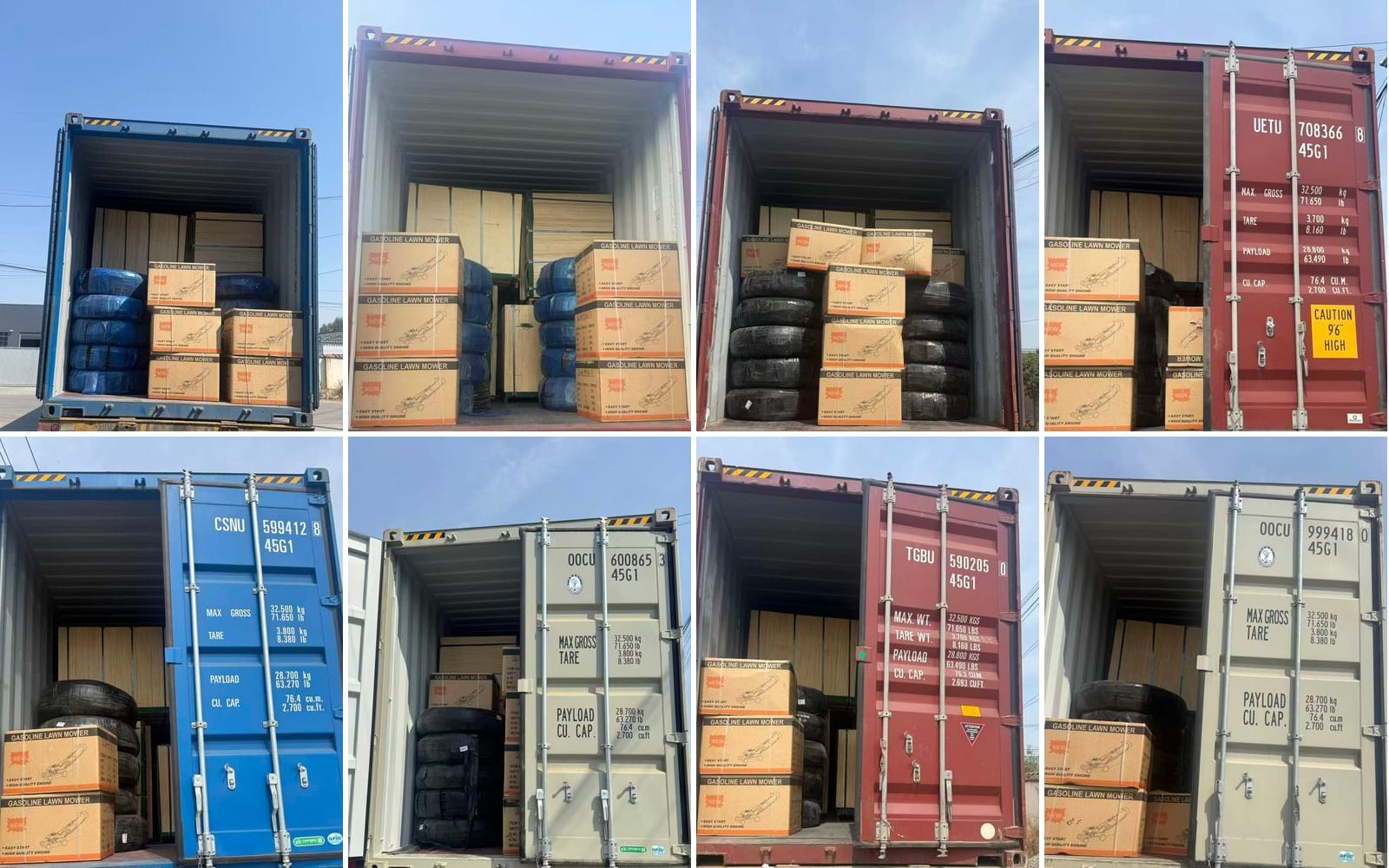
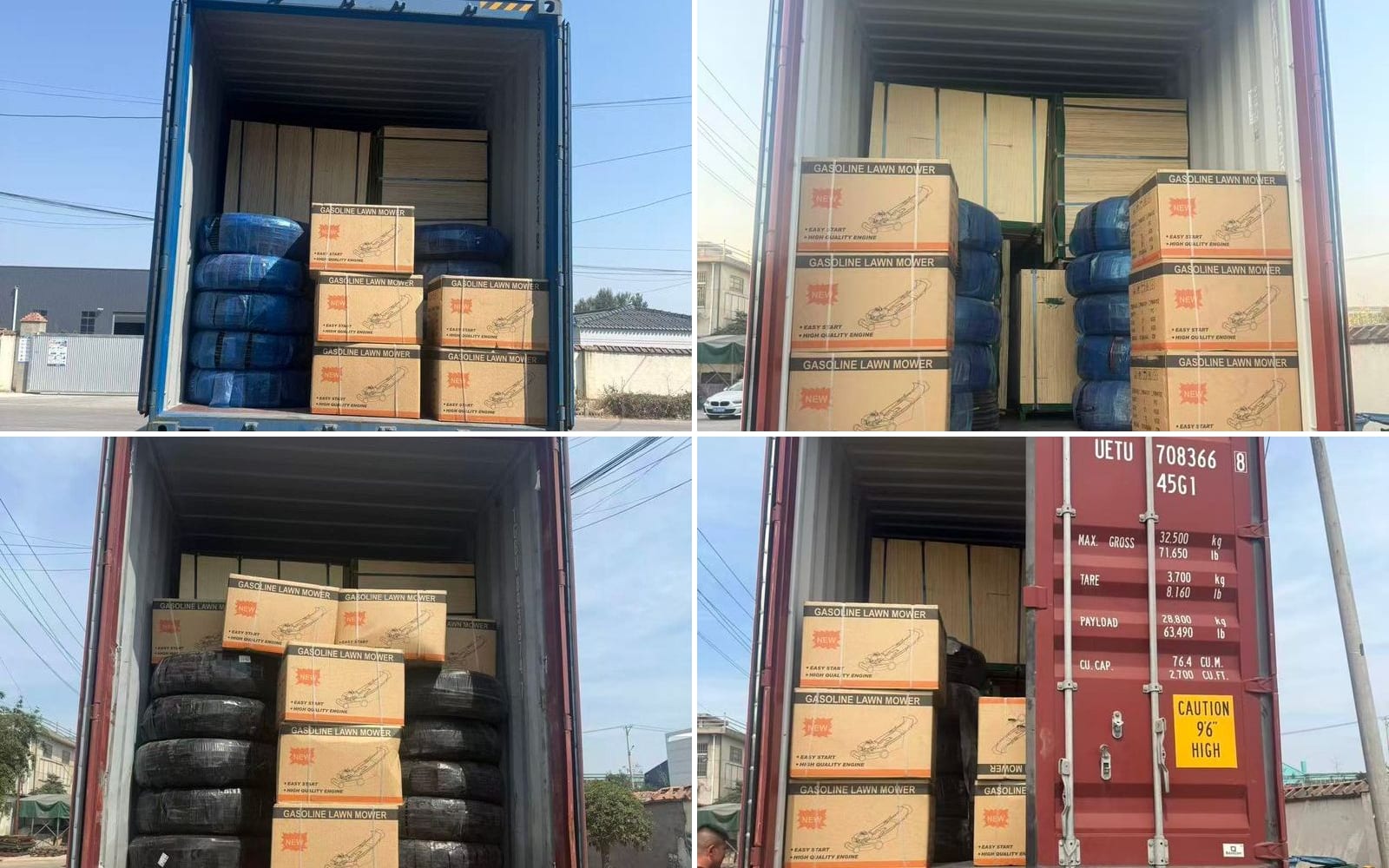
Equipment that leaves in good condition should arrive in good condition. Packing is the first line of protection, and the way different packages share a container matters as much as the packages themselves.
The right package for each item
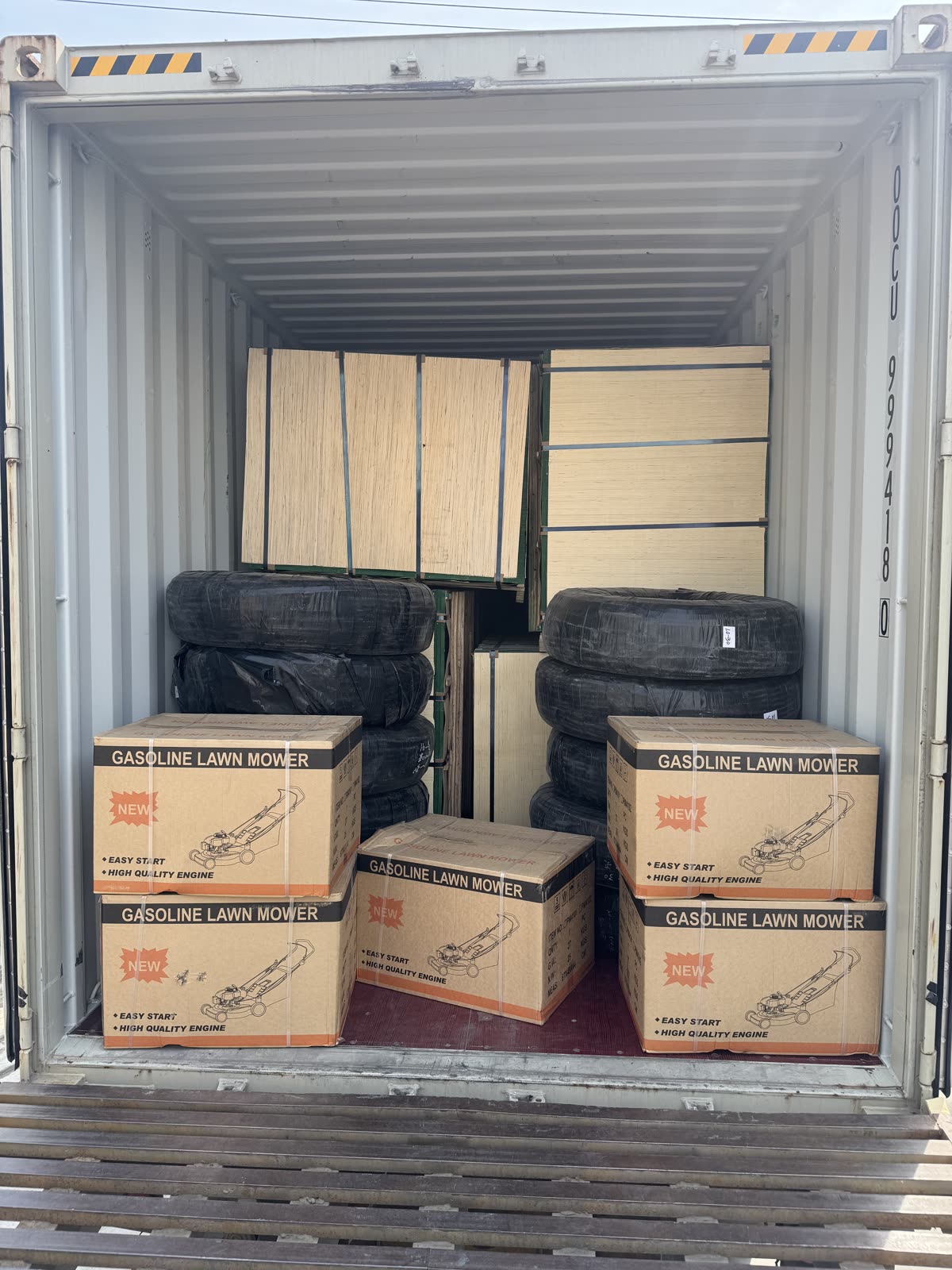
Lighter items travel in sturdy cartons. Heavier or more delicate items travel in wooden crates that spread the load and protect corners and edges. Wrapping and protective material is added wherever surfaces could rub together.
Mixed loads, simple rules
- Heavy crates sit at the bottom and at the back.
- Cartons are stacked in straight, even rows.
- Each layer is supported by the one beneath it.
- Round or awkward items are wedged so they cannot roll.
Labels that help
Clear markings on every package make counting and checking quick, both when the container is loaded and when it is opened. They also help the receiving team find what they need without unpacking more than necessary.
Gaps are the enemy
Empty space inside a container is where cargo moves. We fill it with packing material so that the load behaves as one solid block.
Packing for the climate, not just the distance
A sea voyage crosses humid air, cold nights and hot decks, and moisture can reach bare steel in all of them. Where it matters, we protect metal parts against damp and keep wrapping dry before it goes into the container. Good packing is as much about the conditions the cargo will meet as the number of kilometres it will travel.